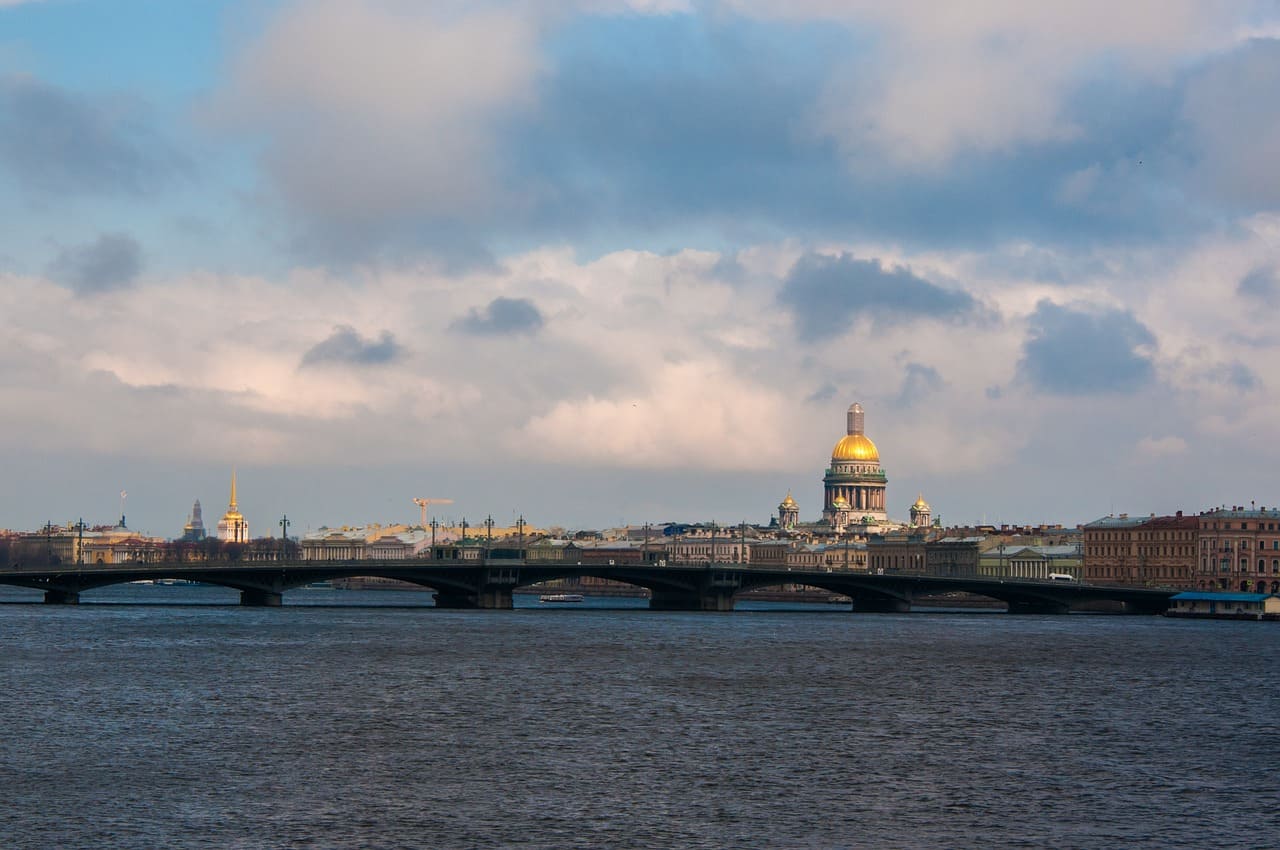
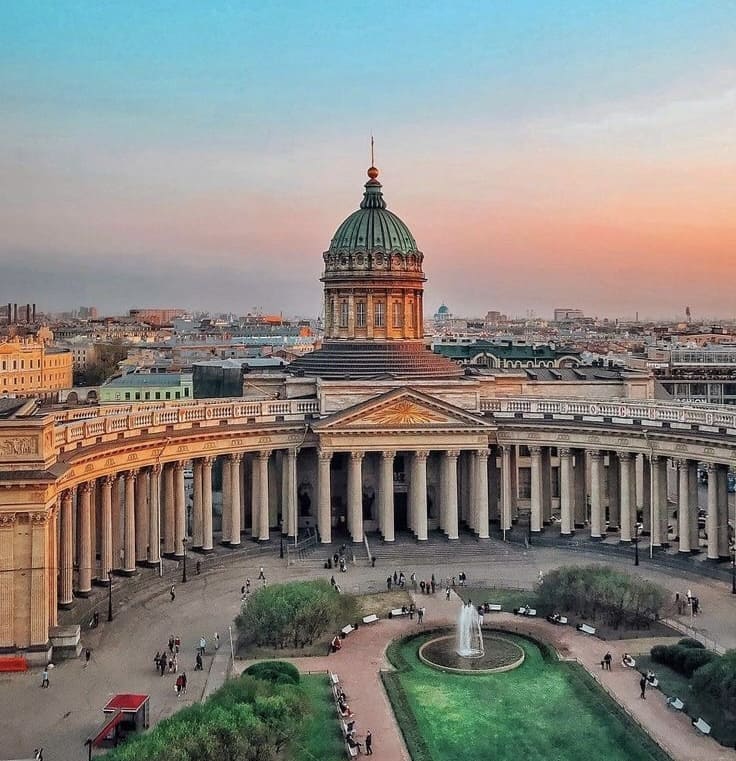
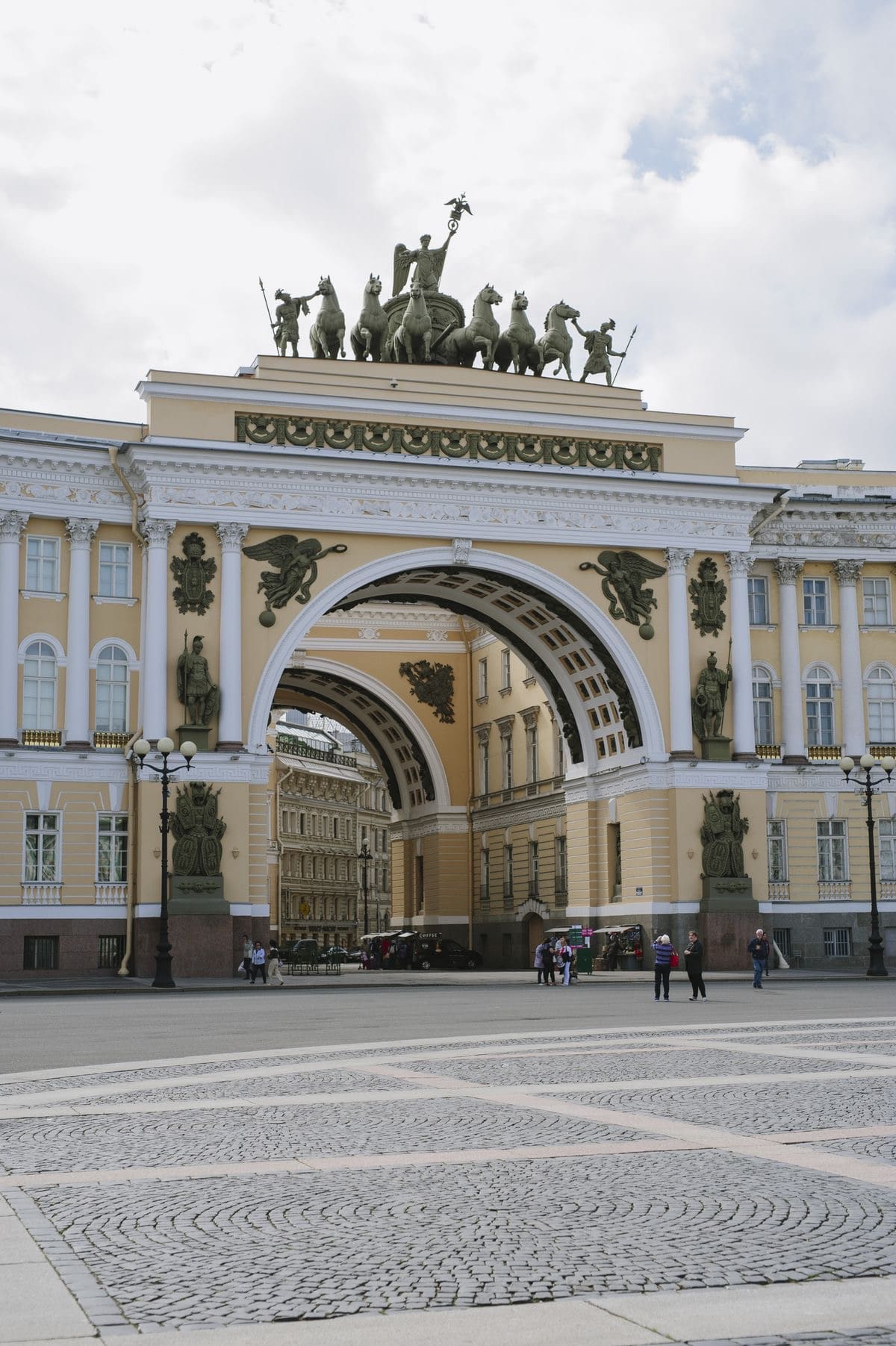
St. Petersburg was founded on May 16, 1703, by order of the Russian Emperor, Peter the Great.
For the first ten years of its history the town was developed as a fortress and sea port, but a brisk
trade soon transformed the city into a centre of economic prosperity, industry and craftsmanship.
It was during this time that the famous Alexander Nevsky Monastery was founded, and this city
on the banks of the Neva became renowned as a religious centre. In 1710 the royal family relocated
here from Moscow, bringing the Tsarist palace and government offices with them and making St. Petersburg
the capital of the Russian Empire. For a short time during the rule of Peter II (1727-1730), the capital
moved back to Moscow, but St. Petersburg regained its status as Russia's most important city three years later.
Peter the Great's youngest daughter, Elizabeth I, continued her father's work. During her rule, vast numbers
of wooden structures were torn down and replaced with stone. It was Elizabeth who gave Bartolomeo Rastrelli
the chance to shine here, and St. Petersburg was soon graced with stunning palaces and cathedrals which, even two
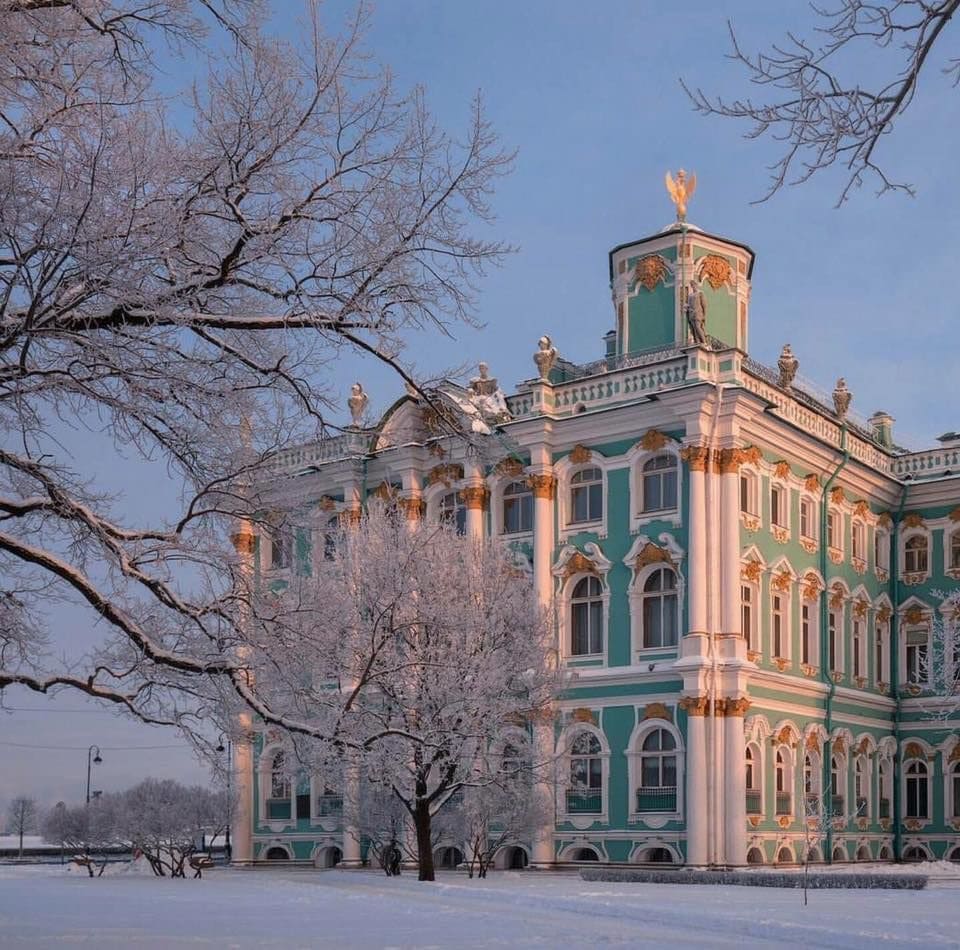
and a half centuries on, rank among St. Petersburg's most grandiose and spectacular architecture. The Winter Palace,
the great palaces at Tsarskoe Selo, Smolny Cathedral, and Smolny Convent were all erected during this time. The Tsarina was a patron
of both science and the arts, and two leading universities—Moscow State University and the Russian Academy of Arts—were founded under her initiative.
In fact, Mikhail Lomonosov, the great scientist, writer and polymath, owes much of his success to Elizabeth I.
During the reign of Catherine II ‘The Great’ (1729-1796) people began calling the city ‘Magnificent Petersburg’.
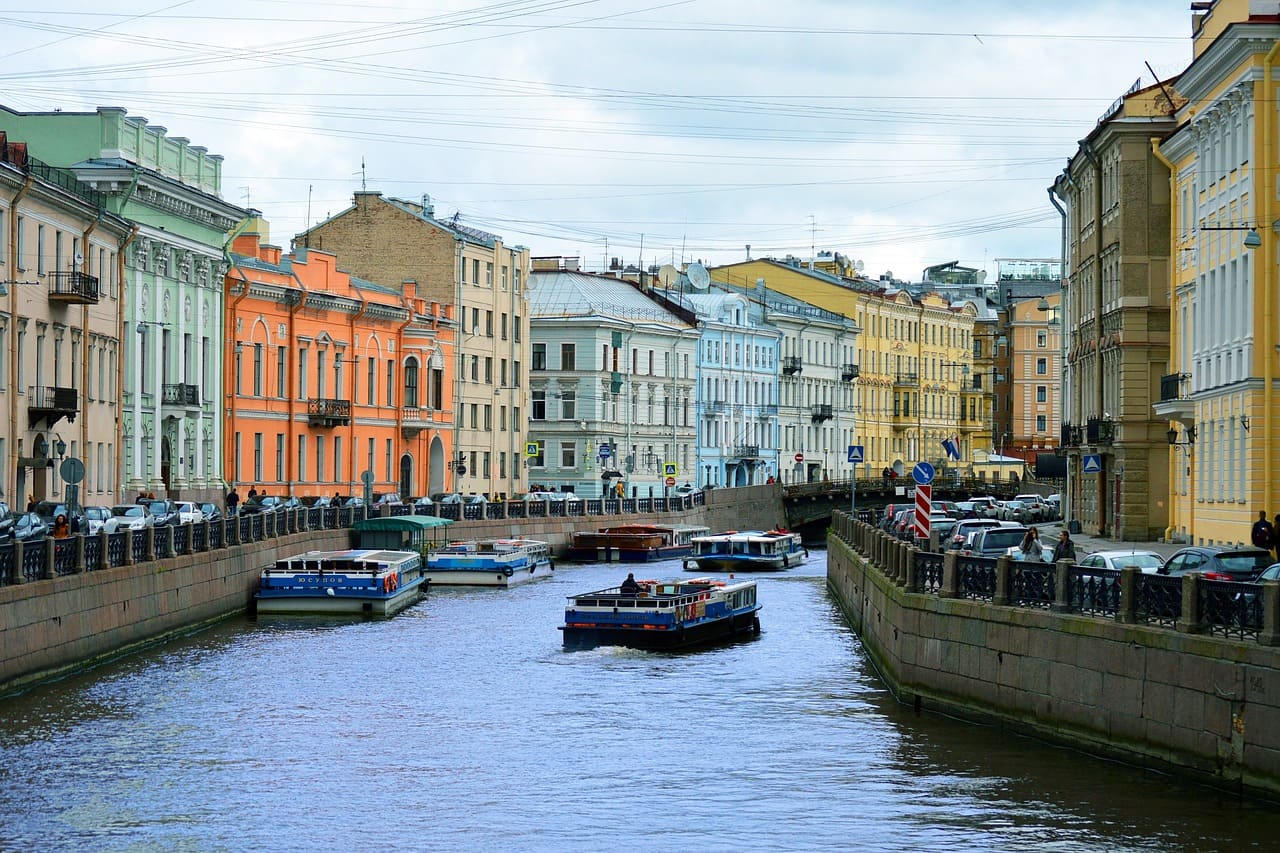
The Winter Palace, the Admiralty, Nevsky Prospect, the granite embankments along the rivers and canals, and the Bronze Horseman,
that famous statue of Peter the Great, were all built while she was on the throne. These advances in St. Petersburg’s development
were stunted by the Napoleonic invasion. Nonetheless, during this period the Mikhailovsky Palace, the Alexandrinsky Theatre,
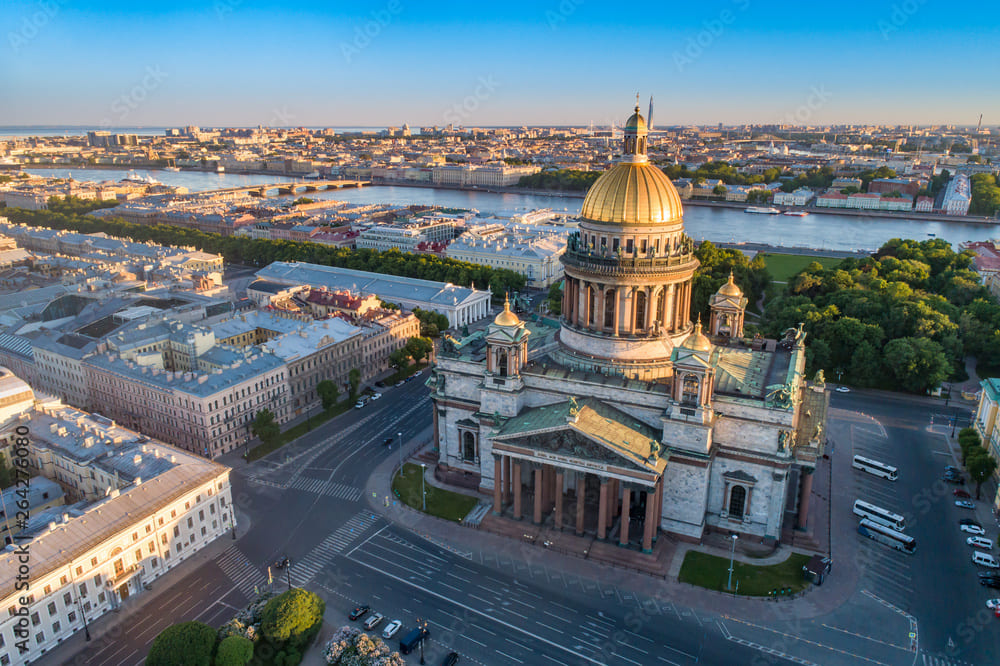
and the Senate and Synod were built; the construction of Palace Square was completed; and the ground was broken for the construction of St. Isaac's Cathedral.