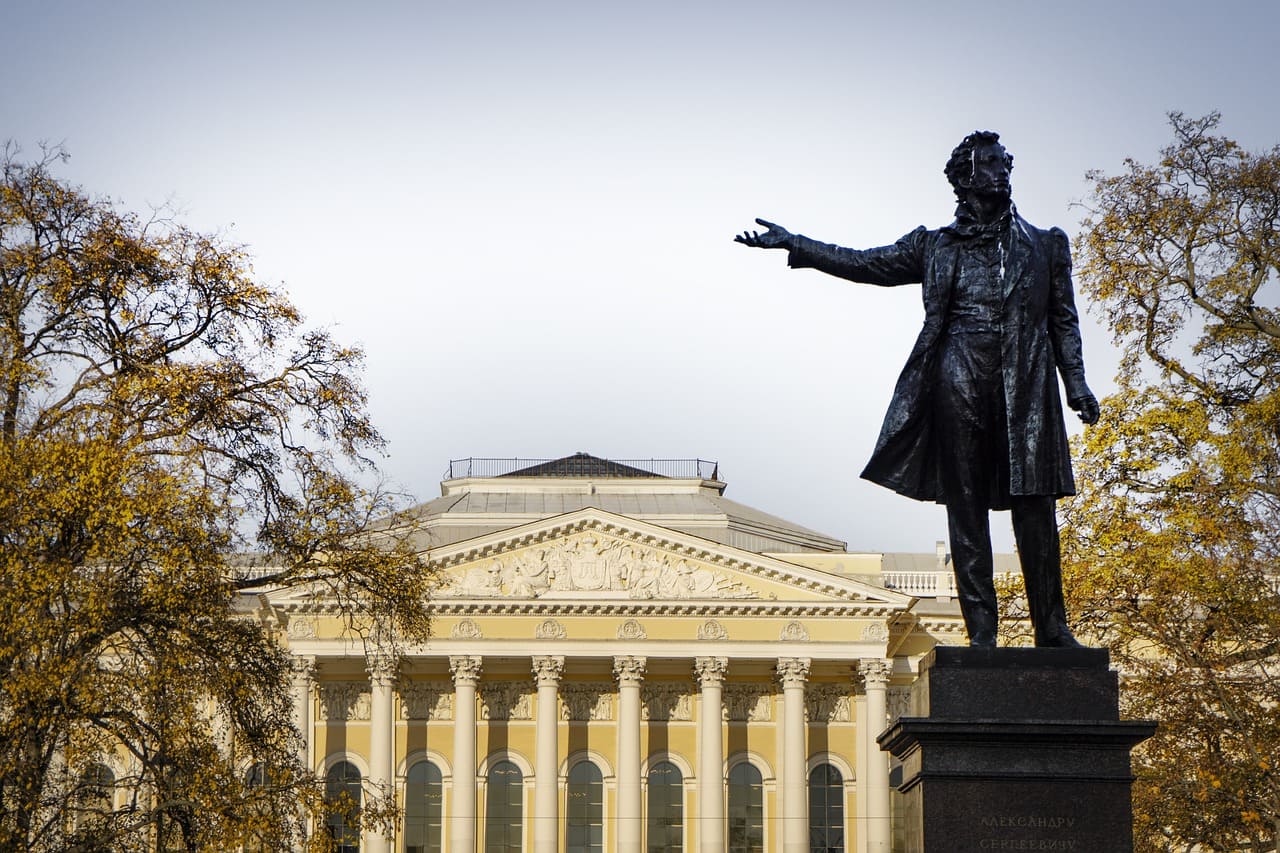
In 1997 on the Decree of the President of the Russian Federation the National Pushkin Museum
was proclaimed an especially valuable object of the cultural heritage of Russia. At present,
the Museum possesses a unique collection of iconographical, memorial and historical materials
featuring Pushkin's epoch, as well as paintings, graphics, sculpture and pieces of applied arts
by the prominent artists of the nineteenth and twentieth centuries. Not limited to Pushkin's life
and creative work, the museum complex became storage of various documents on Russian history and
culture of the eighteenth and nineteenth centuries.
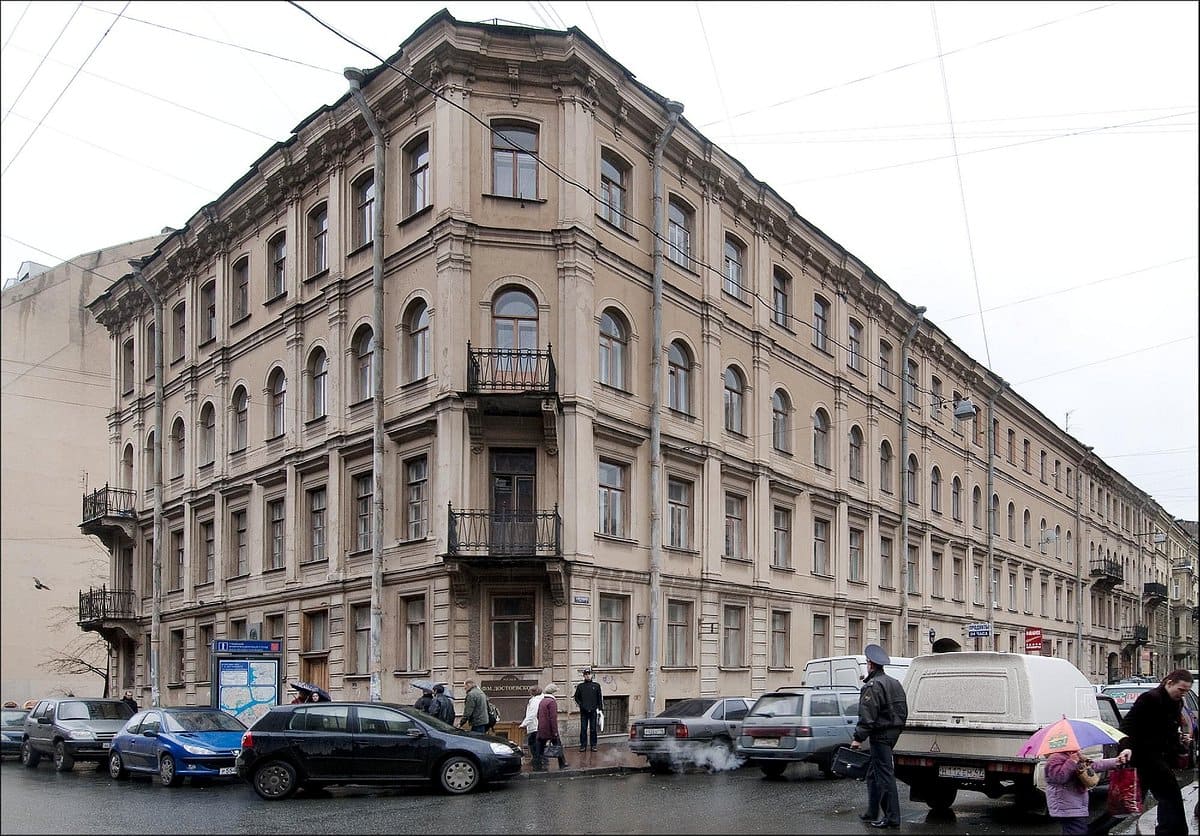
Dostoyevsky lived in the apartment twice during his life: first for a short period in 1846 in the
beginnings of his career, and later from October 1878 until his death in January 1881.
The apartment was his home during the composition of some of his most notable works, including
The Double: A Petersburg Poem (1846) and The Brothers Karamazov (1879–1880).
The apartment has been reconstructed based on the memoirs of the writer's second wife,
Anna Dostoyevskaya, and his friends.
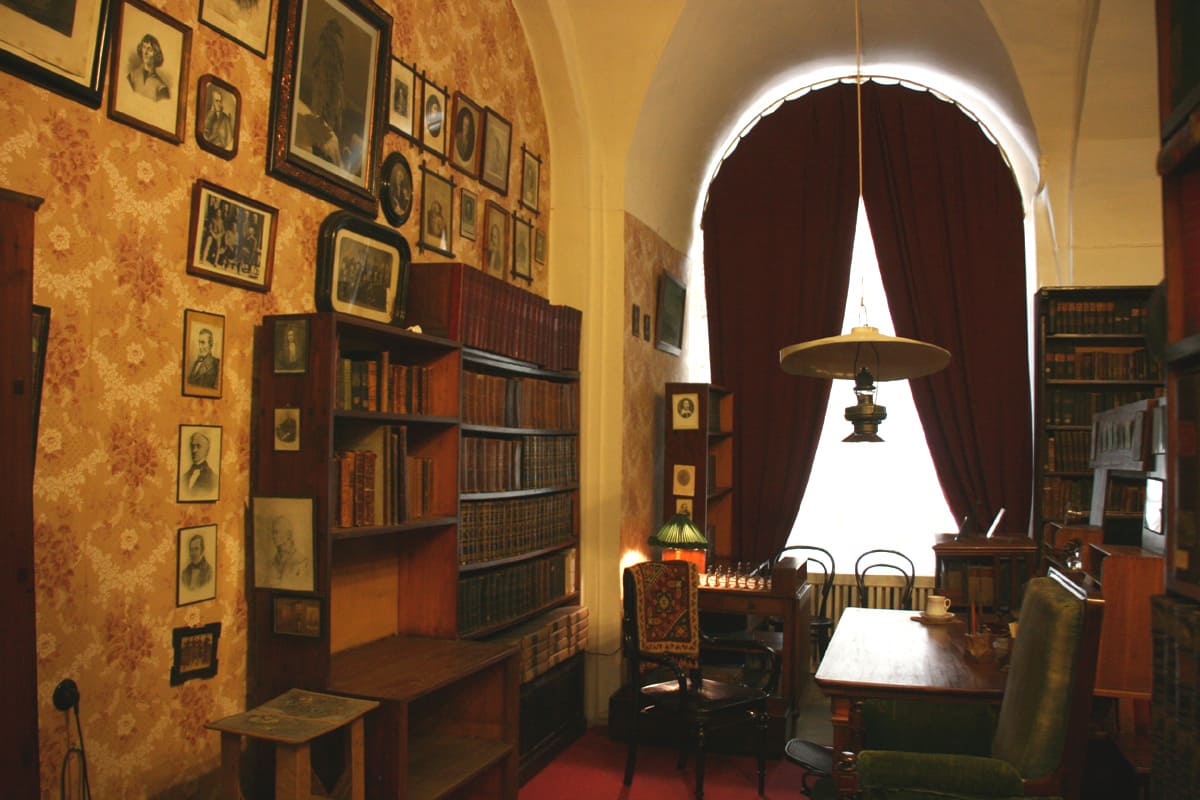
Dmitry Mendeleev's Memorial Museum Apartment is a museum apartment of the Russian chemist Dmitry Mendeleev,
who is famous for establishing the Periodic table of arranging chemical elements by their atomic masses,
which allowed the prediction of properties of elements (i.e., simple substances) yet to be discovered.
It is located in the Twelve Collegia building, now being the centre of Saint Petersburg State University,
and in Mendeleev's time called Head Pedagogical Institute with his archives. The street in front of these
is named after him as Mendeleevskaya liniya (Mendeleev Line).
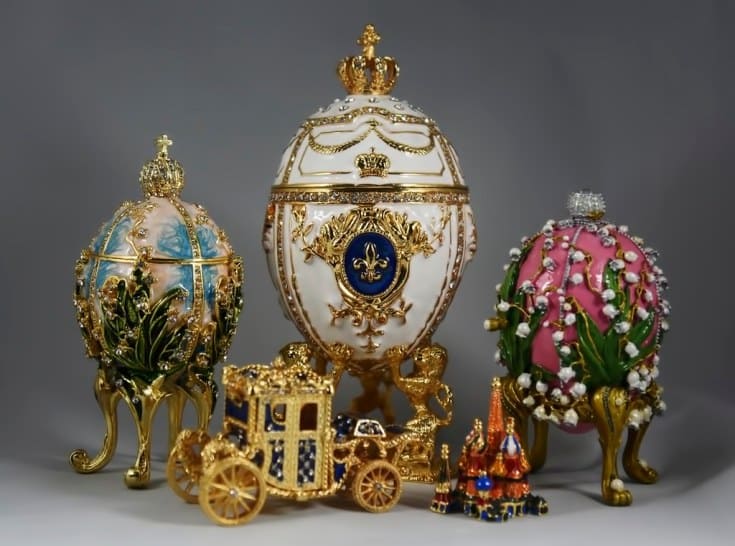
The Fabergé Museum in Saint Petersburg is a privately owned museum in Saint Petersburg, Russia. It was
established by Viktor Vekselberg and his Link of Times foundation in order to repatriate lost cultural
valuables to Russia. The museum is located in central Saint Petersburg at the Naryshkin-Shuvalov Palace
on the Fontanka River. The museum's collection contains more than 4,000 works of decorative applied and
fine arts, including gold and silver items, paintings, porcelain and bronze. A highlight of the museum's
collection is the group of nine Imperial Easter eggs created by Fabergé for the last two Russian Tsars.
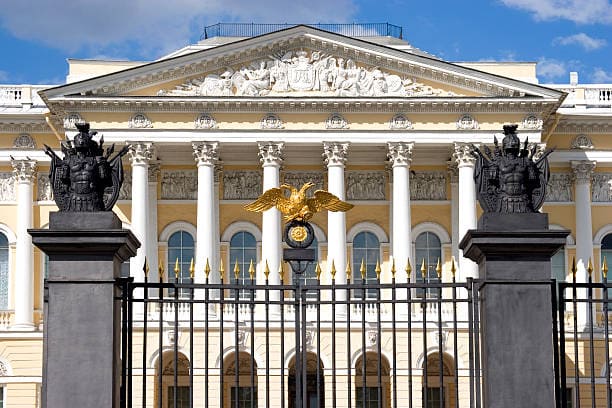
The State Russian Museum formerly the Russian Museum of His Imperial Majesty Alexander III, on Arts Square
in Saint Petersburg, is the world's largest depository of Russian fine art. It is also one of the largest
art museums in the world with total area over 30 hectares. The museum was established on April 13, 1896,
upon enthronement of the emperor Nicholas II to commemorate his father, Alexander III. Its original collection
was composed of artworks taken from the Hermitage Museum, Alexander Palace, and the Imperial Academy of Arts.
The task to restructure the interiors according to the need of future exposition was imposed on Vasily Svinyin.
The grand opening took place on the 17 of March, 1898.